Atlas of stylesAtlas de estilos
RosemalingRosemaling noruego: acanto y flores sobre madera
Noruega-Suecia, siglos XVIII-XIX (revival posterior)Valles de Telemark, Hallingdal y RogalandOficios y artesaníasRarity 5/5Rareza 5/5JSON
Rosemaling is Norwegian decorative painting on wood developed during the 18th and 19th centuries in rural valleys such as Telemark, Hallingdal, and Rogaland, with a later revival. It adorned chests, cupboards, ale bowls, and interior walls. It is unmistakable for curved C- and S-shaped stems, scrolling acanthus leaves, and fantastic flowers — roses, tulips, and daisies — painted with fluid strokes, layered shading, and a balance between symmetry and asymmetrical organic movement.
El rosemaling es la pintura decorativa noruega sobre madera desarrollada entre los siglos XVIII y XIX en valles rurales como Telemark, Hallingdal y Rogaland, con un resurgimiento posterior. Adornaba baúles, armarios, cuencos para cerveza y paredes interiores. Es inconfundible por sus tallos curvos en forma de C y S, hojas de acanto enrolladas y flores fantásticas —rosas, tulipanes y margaritas— pintadas con trazos fluidos, sombras en capas y un equilibrio entre simetría y movimiento orgánico asimétrico.
Visual vocabularyVocabulario visual
Dominant forms are scrolling acanthus leaves, curling tendrils, teardrop petals, round buds, and stylized roses, tulips, daisies, and multi-petaled fantasy flowers. Line is fluid and calligraphic: thick-to-thin brushstrokes, comma shapes, fine white or dark outlines, dots, and cross-hatching for shade. Typical colors include brick red, teal or blue-green, ochre yellow, cream, black, and muted green over a dark ground. Ornament grows from stems and scrolls rather than repeating mechanically, combining shaded petals, highlighted leaf edges, and small filler flowers.
Dominan hojas de acanto enrolladas, zarcillos rizados, pétalos en forma de gota, capullos redondos y flores estilizadas: rosas, tulipanes, margaritas y flores fantásticas de muchos pétalos. La línea es fluida y caligráfica: pinceladas de grueso a fino, formas de coma, contornos finos blancos u oscuros, puntos y trama para sombrear. Los colores típicos son rojo ladrillo, verde azulado, amarillo ocre, crema, negro y verde apagado sobre fondo oscuro. El ornamento crece desde tallos y roleos, no se repite mecánicamente; combina pétalos sombreados, bordes de hoja iluminados y florecillas de relleno.
CompositionComposición
The design starts from a central stem, vase, heart, or medallion and expands symmetrically toward the edges, although one side may vary slightly. C- and S-scrolls fill corners and connect flowers without leaving large empty gaps. On chests and cupboards, the painting follows panels, lids, and borders with framing bands. The rhythm alternates large blooms, medium leaves, and tiny filler dots, creating dense but legible movement across the wooden surface.
El diseño parte de un tallo, jarrón, corazón o medallón central y se expande simétricamente hacia los bordes, aunque un lado puede variar ligeramente. Los roleos en C y en S llenan esquinas y conectan las flores sin dejar grandes huecos. En baúles y armarios, la pintura sigue paneles, tapas y marcos con franjas delimitadoras. El ritmo alterna flores grandes, hojas medianas y pequeños puntos de relleno, creando un movimiento denso pero legible sobre la madera.
Texture and techniqueTextura y técnica
Traditionally painted freehand on primed or color-grounded wood, often over red, blue-green, ochre, or dark backgrounds. Artists built forms with loaded brushstrokes, then added shading, fine lines, dots, and highlights. The surface remains mostly flat and matte, but overlapping paint, slight ridges, visible brush direction, and wood grain beneath give it a tactile, handmade quality rather than a printed finish.
Tradicionalmente se pintaba a mano alzada sobre madera imprimada o con fondo de color, a menudo rojo, verde azulado, ocre u oscuro. Las formas se construían con pinceladas cargadas y después se añadían sombras, líneas finas, puntos y luces. La superficie es mayormente plana y mate, pero las capas de pintura, leves relieves, dirección visible del pincel y veta de la madera aportan una cualidad táctil y artesanal, no de impresión.
LetteringLetras
Not applicable as a type style. Names, dates, and short inscriptions may appear on chests and cupboards in simple hand-painted capitals integrated into the object, but lettering is secondary to the floral painting.
No aplica como estilo tipográfico. En baúles y armarios pueden aparecer nombres, fechas e inscripciones breves en mayúsculas sencillas pintadas a mano e integradas al objeto, pero la letra es secundaria frente a la pintura floral.
Why almost nobody uses itPor qué casi nadie lo usa
AI models often confuse it with generic Scandinavian folk art, Swedish kurbits, or embroidered floral patterns, and most training images show complete furniture rather than isolated motifs. Its regional rules, layered brushwork, and hand-painted asymmetry are hard to reproduce from text alone. Today it offers a warm, clearly manual alternative to flat vector ornament, with strong color and identity without relying on Viking clichés.
Los modelos de IA suelen confundirlo con arte folk escandinavo genérico, con el kurbits sueco o con flores bordadas, y la mayoría de las imágenes de entrenamiento muestran muebles completos, no motivos aislados. Sus reglas regionales, capas de pincelada y asimetría manual son difíciles de reproducir solo con texto. Hoy aporta una alternativa cálida y claramente artesanal al ornamento vectorial plano, con color e identidad fuertes sin recurrir al cliché vikingo.
What gives a cheap imitation awayQué delata una imitación barata
- Adding generic clip-art flowers with no connecting scrollwork. - Using neon colors, pastel gradients, or glossy airbrush shading. - Making every leaf identical through obvious copying and mirroring. - Mixing Telemark, Hallingdal, and Rogaland motifs as if they were one style. - Painting on marble, canvas, or metal while forgetting visible wood and functional furniture shapes. - Adding runes, Vikings, trolls, or fake aged cracks to force a Norwegian theme.
- Añadir flores genéricas de *clip-art* sin roleos que las conecten. - Usar colores neón, degradados pastel o sombreado brillante de aerógrafo. - Hacer todas las hojas idénticas con copiado y espejo evidentes. - Mezclar motivos de Telemark, Hallingdal y Rogaland como si fueran un solo estilo. - Pintar sobre mármol, lienzo o metal olvidando la madera visible y las formas funcionales del mueble. - Agregar runas, vikingos, troles o grietas falsas de envejecido para forzar el tema noruego.
Ideas for todayIdeas para hoy
- 1. **Poster:** Folk-music festival poster with a central rosemaling bouquet on deep teal, surrounded by a painted border and generous cream space for modern type. 2. **Brand:** Packaging for coffee, chocolate, or craft beer using a chest-lid composition, limited regional palette, and a contemporary artisan's scroll motif. 3. **Video game:** Cozy farming or exploration game in which painted chests, doors, and ale bowls signal homes, regions, and family histories through distinct floral patterns.1. **Cartel:** Cartel para un festival de música folk con un ramo central de rosemaling sobre verde azulado profundo, borde pintado y espacio amplio en crema para tipografía contemporánea. 2. **Marca:** Empaques de café, chocolate o cerveza artesanal con una composición de tapa de baúl, paleta regional limitada y un motivo de roleos creado por un artesano actual. 3. **Videojuego:** Juego acogedor de granja o exploración donde baúles, puertas y cuencos pintados distingan hogares, regiones e historias familiares mediante patrones florales diferentes.
- nota_cultural_2c0c0a34.no where678e00a7cf those I need send type for `hibernateLazyInitializer`. I mentioned that https://docs.hibernate.org/orm/6.4/javadocs/org/hibernate/proxy/HibernateProxy.html#getHibernateLazyInitializer() returns `LazyInitializer`. But after studying sources, I realize cglib and javassist proxies do not directly implement `HibernateProxy` and can be produced by custom factories not related to Hibernate's `ProxyFactory`. So I also need send type for cglib proxy. That is `net.sf.cglib.proxy.Factory` I guess. But what about javassist proxy? `javassist.util.proxy.ProxyObject#getHandler()` returns `MethodHandler`. And `ProxyFactory` has method `isProxyClass`. But I cannot find type to denote "any javassist|echo": false},nota_cultural_2c0c0a34.no where678e00a7cf those I need send type for `hibernateLazyInitializer`. I mentioned that https://docs.hibernate.org/orm/6.4/javadocs/org/hibernate/proxy/HibernateProxy.html#getHibernateLazyInitializer() returns `LazyInitializer`. But after studying sources, I realize cglib and javassist proxies do not directly implement `HibernateProxy` and can be produced by custom factories not related to Hibernate's `ProxyFactory`. So I also need send type for cglib proxy. That is `net.sf.cglib.proxy.Factory` I guess. But what about javassist proxy? `javassist.util.proxy.ProxyObject#getHandler()` returns `MethodHandler`. And `ProxyFactory` has method `isProxyClass`. But I cannot find type to denote "any javassist|echo": false},
Use with respect: Úsalo con respeto: Es una tradición artesanal noruega viva, con variantes regionales reconocibles. Úsala con respeto: identifica la región que inspiras, no mezcles estilos locales como un disfraz genérico “escandinavo”, evita atribuir diseños contemporáneos a artesanos históricos y, en proyectos comerciales, colabora o acredita a pintores actuales de rosemaling.
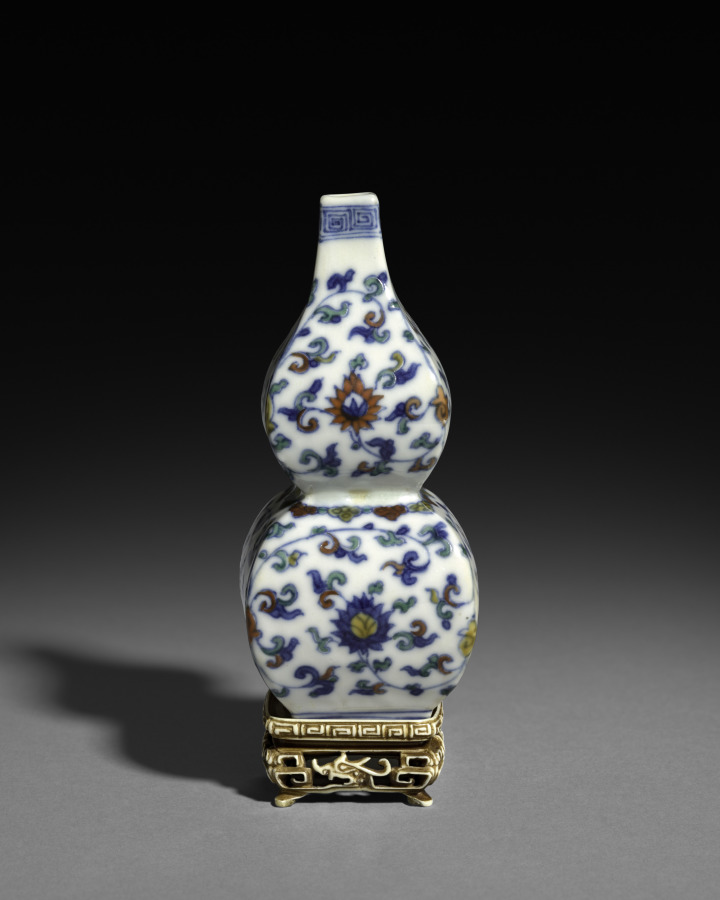
Related pieces in the museumPiezas relacionadas en el museo
Matched by shared themes and motifs — related, not necessarily in this exact style.
Encontradas por temas y motivos en común: relacionadas, no necesariamente en este estilo exacto.
Written by an AI model (muse-wonder-1.0). Check the references before relying on dates or names.Lo escribió un modelo de IA (muse-wonder-1.0). Revisa las referencias antes de fiarte de fechas o nombres.