Atlas of stylesAtlas de estilos
Tusche Wash LithographyLitografía de lavado con tinta tusche y aguadas
siglo XXTalleres de litografía artísticaTécnicas de grabado e impresiónRarity 5/5Rareza 5/5JSON
A 20th-century fine-art lithography technique, developed in print workshops, in which the artist draws on stone or plate with greasy tusche ink diluted in water or solvent. It inherits 19th-century lithography, but modern printmakers made it gestural and painterly. It is unmistakable for its washes: transparent veils, bleeding edges, reticulated grain, and velvety blacks impossible with a dry stroke. Each print preserves the wetness of the gesture, between drawing, watercolor, and engraving.
Técnica de litografía artística del siglo XX, desarrollada en talleres de impresión, en la que se dibuja sobre piedra o plancha con tinta grasa tusche diluida en agua o solvente. Hereda la litografía del siglo XIX, pero los grabadores modernos la volvieron gestual y pictórica. Es inconfundible por sus aguadas: veladuras transparentes, bordes que sangran, granos retenidos y negros aterciopelados imposibles con un trazo seco. Cada impresión conserva la humedad del gesto, entre dibujo, acuarela y grabado.
Visual vocabularyVocabulario visual
Its vocabulary comes from diluted matter: irregular stains like clouds or smoke, silhouettes dissolved at the edges, splatters, drips, bristle tracks, and areas of granular gray that break up like dried mud. The line is not continuous; it appears and vanishes according to the liquid's density. The palette is almost always monochromatic: velvety black, warm and cool grays, and the cream white of the paper. There is no decorative ornament; the ornament is the reticulation of the wash itself, its tide marks, blooms, and sediments.
Su vocabulario nace de la materia diluida: manchas irregulares como nubes o humo, siluetas que se disuelven en los bordes, salpicaduras, escurrimientos, huellas de cerdas y zonas de gris granuloso que se rompen como lodo seco. La línea no es continua; aparece y se pierde según la densidad del líquido. La paleta es casi siempre monocroma: negro aterciopelado, grises cálidos y fríos, y el blanco crema del papel. No hay ornamento decorativo; el ornamento es la propia reticulación de la aguada, sus mareas, floraciones y sedimentos.
CompositionComposición
The composition retains the flatness of paper, without illusory depth. A central mass of wash, a figure or an object is set against large areas of untouched white, which function as air and light. The strokes enter from the edges, pool at the bottom, or expand like a stain. There is a deliberate imbalance: a deep black corner can balance an almost empty field. The image is read first as an abstract patch and then as a motif.
La composición conserva el plano del papel, sin profundidad ilusoria. Una masa central de aguada, una figura o un objeto se recorta contra grandes zonas de blanco intacto, que funcionan como aire y luz. Los trazos entran por los bordes, se acumulan abajo o se expanden como una mancha. Hay desequilibrio deliberado: una esquina de negro profundo puede equilibrar un campo casi vacío. La imagen se lee primero como mancha abstracta y después como motivo.
Texture and techniqueTextura y técnica
Tusche is applied with a brush or nib onto lithographic stone or a grained plate. The more diluted it is, the grayer and more reticulated it dries; where it pools, it produces deep blacks and hard tide lines. After chemical processing with gum arabic and acid, the stone is dampened and rolled with ink. The texture must show mineral grain, sediment, cracked edges, and tonal jumps—not continuous smoothness.
El tusche se aplica con pincel o plumilla sobre piedra litográfica o plancha graneada. Mientras más diluido, seca más gris y reticulado; donde se encharca produce negros profundos y orillas duras de marea. Tras el procesado químico con goma arábiga y ácido, la piedra se humedece y se entinta con rodillo. La textura debe mostrar grano mineral, sedimento, bordes craquelados y saltos de tono, no una suavidad continua.
LetteringLetras
"Not applicable. It is an image technique, not a lettering style. In period posters and prints, the text was usually added separately with movable type or hand lettering outside the image. For current use, pair it with a sober serif or grotesque type, well letterspaced, printed in black."
"No aplica. Es una técnica de imagen, no un estilo de letras. En carteles y estampas de época, el texto solía añadirse aparte, con tipos móviles o rotulación fuera de la imagen. Para uso actual, acompáñala con una serif sobria o una grotesca con buen interletraje, impresa en negro."
Why almost nobody uses itPor qué casi nadie lo usa
AI models confuse it with watercolor, India ink, or charcoal, because its key feature is not the motif but the behavior of greasy tusche on limestone. It demands whites, flatness, and chance—qualities that contrast with the detailed, colorful finish favored in prompts. Today it offers a physical, sober, and unmistakably hand-pulled alternative to the smooth digital gradient.
Los modelos de IA lo confunden con acuarela, tinta china o carboncillo, porque su clave no es el motivo sino el comportamiento del tusche graso sobre la piedra caliza. Exige blancos, planitud y azar, cualidades contrarias al acabado detallado y colorido que domina en los prompts. Hoy aporta una alternativa física, sobria y claramente manual frente al degradado digital liso.
What gives a cheap imitation awayQué delata una imitación barata
- Applying a generic watercolor filter with uniform edges and no lithographic grain. - Using clean digital gradients, without reticulation, sediment, or pools of ink. - Filling the entire surface; without breathing whites, the wash loses tension. - Outlining everything with a black line, as in a comic, and then coloring it gray. - Confusing it with charcoal, India ink on paper, or photocopy noise. - Making perfect, repeatable textures, instead of stains with irregular density.
- Aplicar un filtro genérico de acuarela, con bordes uniformes y sin grano litográfico. - Usar degradados digitales limpios, sin reticulación, sedimento ni charcos de tinta. - Llenar toda la superficie; sin blancos que respiren, la aguada pierde tensión. - Contornear todo con línea negra, como en un cómic, y luego colorear de gris. - Confundirlo con carboncillo, tinta china sobre papel o ruido de fotocopia. - Hacer texturas perfectas y repetibles, en vez de manchas de densidad irregular.
Ideas for todayIdeas para hoy
- Concert poster: a single animal or instrument in a large black wash over cream paper, with the text outside the image, printed in one ink.Cartel de concierto: un solo animal o instrumento en una gran aguada negra sobre papel crema, con el texto fuera de la imagen, impreso a una tinta.
- Identity for a winery or coffee brand: labels with a unique tusche stain for each variety, always in black and gray over uncoated paper.Identidad para una bodega de vino o café: etiquetas con una mancha de tusche única por variedad, siempre en negros y grises sobre papel sin estucar.
- 2D video game: mist, caves, or memories represented as animated lithographic washes, with figures emerging from granular stains.Videojuego 2D: niebla, cuevas o recuerdos representados como aguadas litográficas animadas, con figuras que emergen de manchas granulosas.
Related pieces in the museumPiezas relacionadas en el museo
Matched by shared themes and motifs — related, not necessarily in this exact style.
Encontradas por temas y motivos en común: relacionadas, no necesariamente en este estilo exacto.

Embers Glow: Lotus Pattern Frame — color print with a lotus pattern for a frameEmbers Glow: Lotus Pattern Frame — grabado en color con patrón de lotos para un marco

Self-Portrait – 'The Etcher' by William Strang, 1897Autorretrato - «El Grabador» de William Strang, 1897

Robert Lee's Workshop (1911) by D.Y. Cameron: Etching of a Shipyard Workshop InteriorEl taller de Robert Lee (1911) de D.Y. Cameron: grabado del interior de un taller de astillero

The Miraculous Draught of Fishes — chiaroscuro woodcut after a design attributed to Raphael, Cleveland Museum of ArtLa pesca milagrosa — grabado en madera a claroscuro según un diseño atribuido a Rafael, Cleveland Museum of Art

The Squall at TrouvilleEl chubasco en Trouville
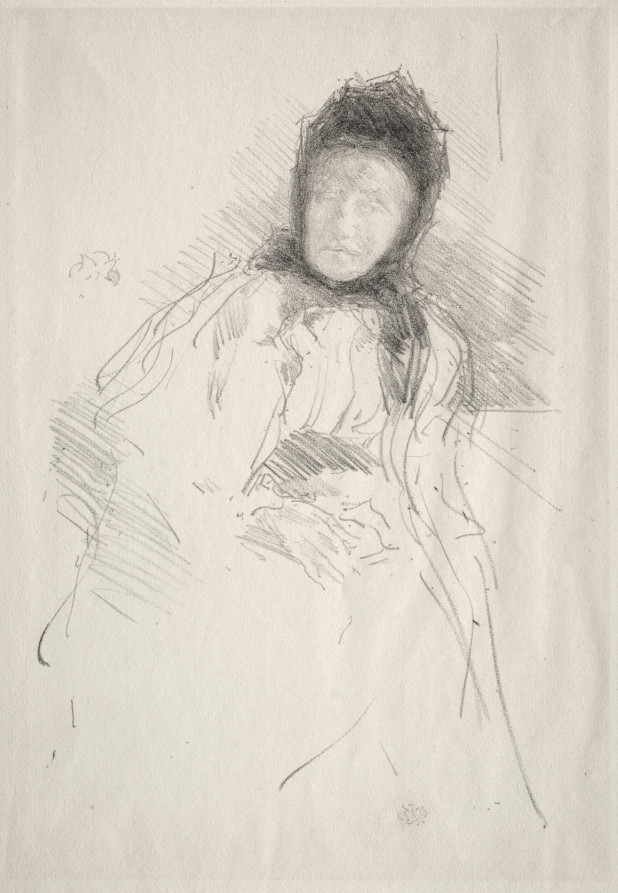
Lady HadenLady Haden
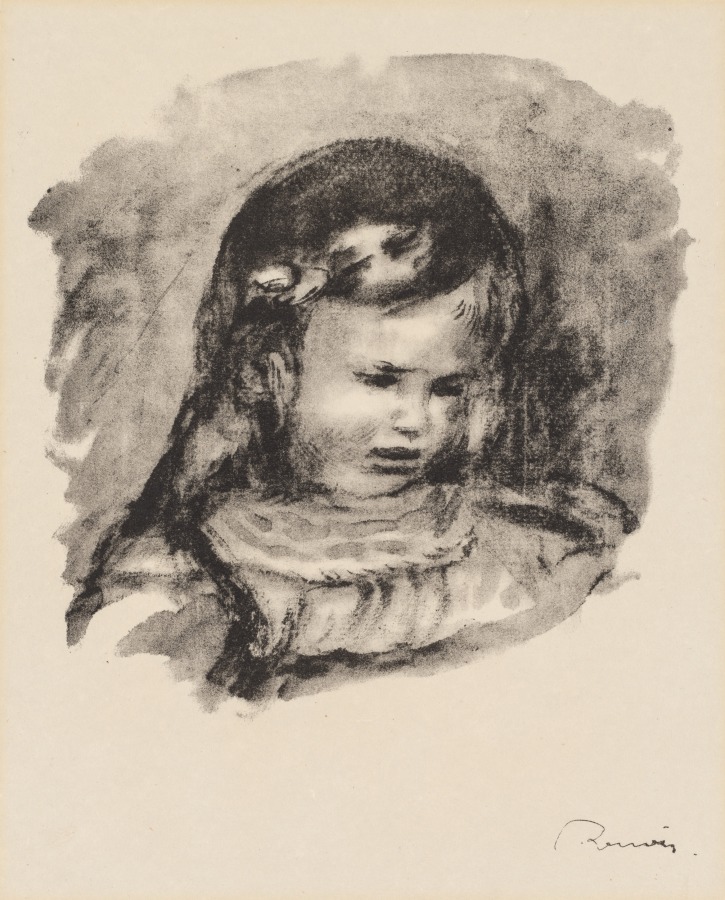
Claude Renoir, the Head Lowered (Claude Renoir, la tête baissée), c. 1904 — Pierre-Auguste RenoirClaude Renoir, la cabeza inclinada (Claude Renoir, la tête baissée), c. 1904 — Pierre-Auguste Renoir

Grandmother with Louise, Nude Seated on the Floor (Grand-Mère et Louise Nue Assise par Terre), 1910 — Suzanne Valadon (1865–1938), drypoint, etching and aquatint. Cleveland Museum of Art, Bequest of Elizabeth Carroll Shearer.Abuela con Louise, desnuda sentada en el suelo (Grand-Mère et Louise nue assise par terre), 1910 — Suzanne Valadon (1865–1938), punta seca, aguafuerte y aguatinta. Cleveland Museum of Art, legado de Elizabeth Carroll Shearer.
Written by an AI model (muse-wonder-1.0). Check the references before relying on dates or names.Lo escribió un modelo de IA (muse-wonder-1.0). Revisa las referencias antes de fiarte de fechas o nombres.