Atlas of stylesAtlas de estilos
Oology Plate, Nests and EggsLámina oológica de nidos y huevos en grabado iluminado
Europa, 1800-1900Historia natural británica y alemanaIlustración científica y técnicaRarity 5/5Rareza 5/5JSON
A nineteenth-century scientific plate devoted to oology, the study of birds' eggs and nests. It arose in British and German natural history, when naturalists, collectors and publishers produced atlases to help identify species. Each plate arranges eggs at close to natural size, sometimes alongside the nest, with the spots, speckles and tones unique to each species. It is unmistakable for its pale background, calm precision and that blend of domestic beauty and rigorous catalogue.
Lámina científica del siglo XIX dedicada a la oología, el estudio de huevos y nidos de aves. Nació en la historia natural británica y alemana, cuando naturalistas, recolectores y editores publicaban atlas para identificar especies. Cada plancha ordena huevos de tamaño cercano al natural, a veces junto al nido, con manchas, moteados y tonos únicos de cada especie. Es inconfundible por su fondo claro, su precisión tranquila y esa mezcla de belleza doméstica y catálogo riguroso.
Visual vocabularyVocabulario visual
The vocabulary is eggs first: ovoid forms in profile or seen slightly from above, smooth shells in cream, pale blue, sage, olive and russet, covered in freckles, blotches, fine spots or dark caps at the wider end. Nests appear as woven bowls of twigs, grass, moss and feathers. The line is fine and controlled, with stipple and short hatching that describes shell and fibre without weighing the image down. Ornament is minimal: at most a thin border, a number in the corner and the caption. The colour is low and natural, never saturated, as if lit by daylight on a work table.
El vocabulario es primero de huevos: formas ovoides de perfil o vistas ligeramente desde arriba, cáscaras lisas en crema, azul pálido, salvia, oliva y rojizo, cubiertas de pecas, manchas, puntos finos o casquetes oscuros en el extremo ancho. Los nidos aparecen como cuencos tejidos con ramitas, pasto, musgo y plumas. La línea es fina y controlada, con punteado y trama corta que describe cáscara y fibra sin pesar. El ornamento es mínimo: a lo sumo un filete delgado, un número en la esquina y el pie. El color es bajo y natural, nunca saturado, como iluminado por luz de día sobre una mesa de trabajo.
CompositionComposición
The eggs are arranged in a calm grid or in rows, separated with enough space to compare size, silhouette and mottling. Sometimes a single nest occupies the centre and the eggs rest inside; other plates compare several species. Everything is shown frontally, at almost natural scale, without landscape or dramatic action. The caption and plate number anchor the bottom. The effect is that of a well-ordered specimen drawer: scientific, intimate and easy to read at a glance.
Los huevos se ordenan en una retícula tranquila o en filas, separados con espacio suficiente para comparar tamaño, silueta y moteado. A veces un solo nido ocupa el centro y los huevos reposan dentro; otras planchas comparan varias especies. Todo se muestra de frente, a escala casi natural, sin paisaje ni acción dramática. El pie y el número de lámina anclan la parte inferior. El efecto es el de un cajón de especímenes bien ordenado: científico, íntimo y fácil de leer de un vistazo.
Texture and techniqueTextura y técnica
Originally printed from an engraved or lithographed plate and coloured by hand with watercolour. Look for fine hatching, stippling for the speckles, and flat washes with slight variations in pigment. The paper shows through as a warm cream and softens the colour. The line is neither photographic nor vector-clean: it has small irregularities, dry edges and the honest flatness of a scanned print.
Originalmente se imprimía desde una plancha grabada o litografiada y se iluminaba a mano con acuarela. Busca trama fina, punteado para las motas y aguadas planas con ligeras variaciones de pigmento. El papel se transparenta en un crema cálido y suaviza el color. La línea no es fotográfica ni vectorial: tiene pequeñas irregularidades, bordes secos y la planitud honesta de una impresión escaneada.
LetteringLetras
Printed serif captions below the image: species name, plate number and sometimes the artist or printer in small type. Elegant, restrained lettering, never inside the eggs. In modern use, pair a classic serif for names with a discreet sans for data.
Pies impresos en serif bajo la imagen: nombre de la especie, número de lámina y a veces artista o impresor en tipo pequeño. Letra elegante y contenida, nunca dentro de los huevos. En uso actual, combina una serif clásica para los nombres con una sans discreta para los datos.
Why almost nobody uses itPor qué casi nadie lo usa
AI models learn mostly from photographs of adult birds, dramatic nests in landscapes and modern scientific illustration. The word oology is rare in image captions, and eggs alone seem static or decorative. That is exactly its value today: it offers quiet comparison, real scale and an archival beauty very different from the typical heroic wildlife image.
Los modelos de IA aprenden sobre todo de fotos de aves adultas, nidos dramáticos en paisajes e ilustración científica moderna. La palabra oología casi no aparece en los pies de imagen, y los huevos solos parecen estáticos o decorativos. Justo ahí está su valor hoy: ofrece comparación serena, escala real y una belleza de archivo muy distinta a la típica imagen heroica de fauna.
What gives a cheap imitation awayQué delata una imitación barata
Cheap copies use giant eggs, identical speckles repeated like a pattern, symmetrical nests and neon colours. Other giveaways: glossy 3D shading, adult birds posing beside the eggs, inventing impossible scales, adding a forest background, or gibberish text in ornate fonts. They also fail when every egg looks clean and new, with no variation in shell, wear or pigment.
Las copias baratas usan huevos gigantes, motas idénticas repetidas como estampado, nidos simétricos y colores neón. También delatan la imitación el sombreado 3D brillante, las aves adultas posando junto a los huevos, inventar escalas imposibles, agregar un fondo de bosque o poner texto ilegible en letras recargadas. Fallan igual cuando todos los huevos se ven limpios y nuevos, sin variación de cáscara, desgaste ni pigmento.
Ideas for todayIdeas para hoy
- Conservation poster for a natural-history museum: a grid of local eggs with the message that today they are observed, never collected.Cartel de conservación para un museo de historia natural: retícula de huevos de especies locales con el mensaje de que hoy se observan, no se recolectan.
- Identity for a ceramics studio or bakery: speckled eggshell motifs, cream paper and a fine serif wordmark on boxes and labels.Identidad para un taller de cerámica o una panadería: motivos de cáscara moteada, papel crema y logotipo en serif fina en cajas y etiquetas.
- Identification video game or field app: collectible plates that unlock when the player recognises a species by its egg and nest, without disturbing it.Videojuego o app de campo de identificación: láminas coleccionables que se desbloquean al reconocer una especie por su huevo y su nido, sin perturbarla.
Related pieces in the museumPiezas relacionadas en el museo
Matched by shared themes and motifs — related, not necessarily in this exact style.
Encontradas por temas y motivos en común: relacionadas, no necesariamente en este estilo exacto.

A Supermassive Black Hole in the Small Galaxy M60-UCD1 (scientific illustration)Un agujero negro supermasivo en la pequeña galaxia M60-UCD1 (ilustración científica)

A Black Hole Destroys a Star (Illustration)Un agujero negro destruye una estrella (Ilustración)
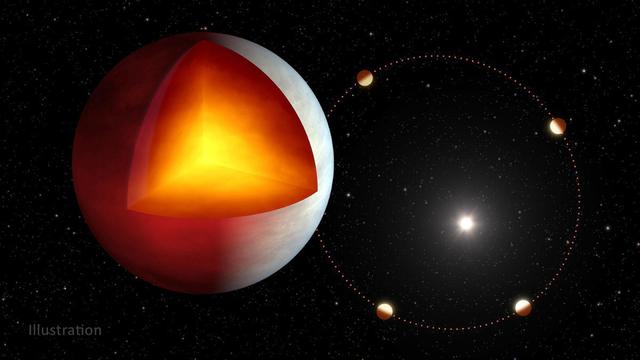
Illustration of Exoplanet XO-3b and Its Internal HeatingIlustración del exoplaneta XO-3b y su calentamiento interno
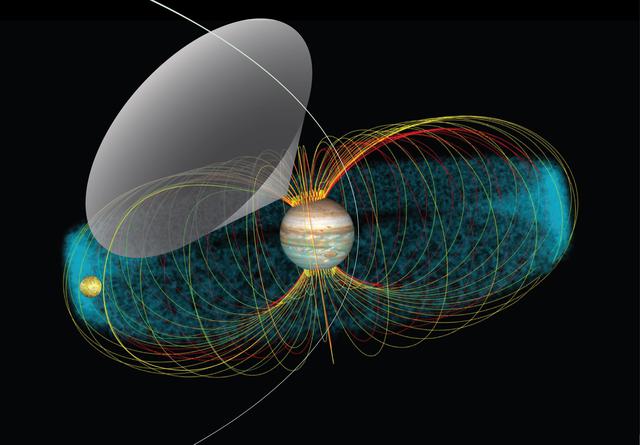
The Jupiter–Io System and Its Interaction (Illustration)El sistema Júpiter–Ío y su interacción (ilustración)
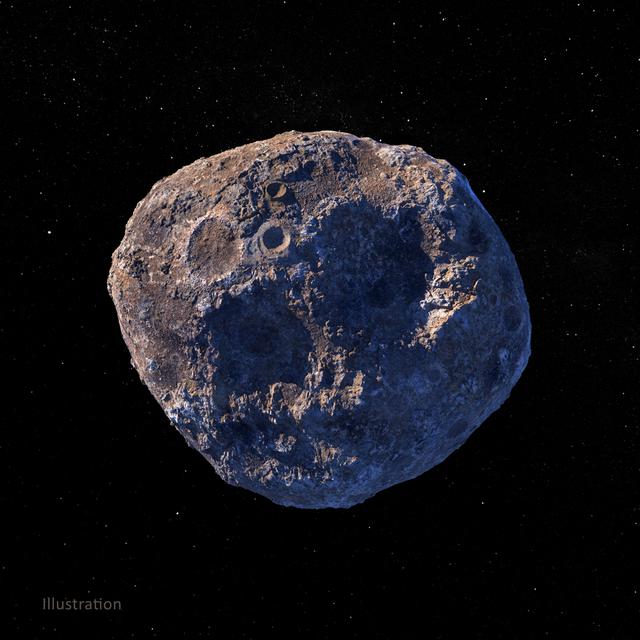
Asteroid Psyche (Illustration) — An Intimate Mix of Metal and RockIlustración del asteroide Psique (Psyche) — una mezcla íntima de metal y roca
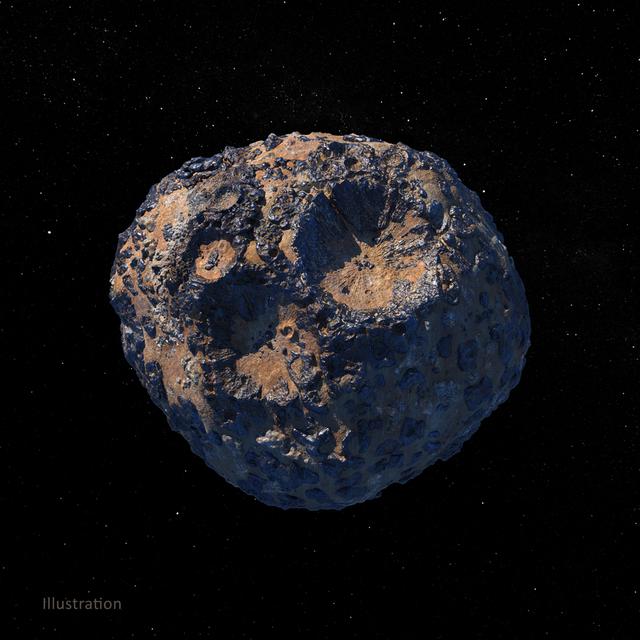
Psyche: A World of Metal and Rock Between Mars and JupiterPsyche: un mundo de metal y roca entre Marte y Júpiter
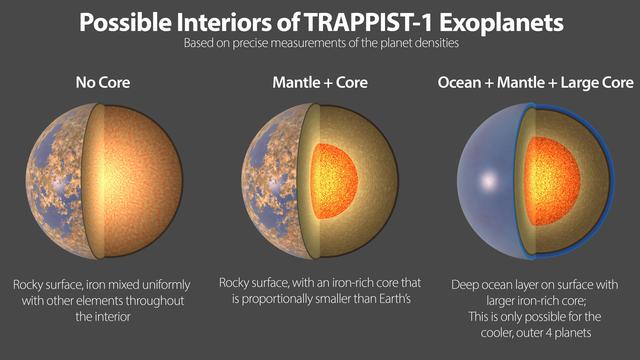
Possible Interiors of the TRAPPIST-1 ExoplanetsPosibles interiores de los exoplanetas de TRAPPIST-1
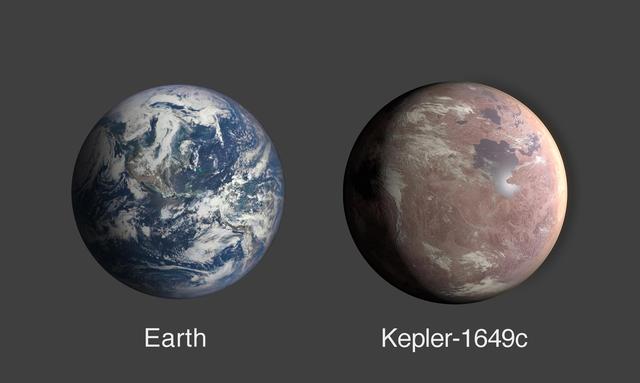
Comparing the Size of Earth and Exoplanet Kepler-1649c (Illustration)Comparación del tamaño entre la Tierra y el exoplaneta Kepler-1649c (ilustración)
Written by an AI model (muse-wonder-1.0). Check the references before relying on dates or names.Lo escribió un modelo de IA (muse-wonder-1.0). Revisa las referencias antes de fiarte de fechas o nombres.