Atlas of stylesAtlas de estilos
Seed catalogue engraved illustrationIlustración grabada de catálogo de semillas
1850–1930Estados Unidos y EuropaIlustración científica y técnicaRarity 4/5Rareza 4/5JSON
Seed catalogue engraved illustration is the commercial and botanical imagery that sold seeds by mail in the United States and Europe between 1850 and 1930. It appeared in annual catalogues, seed packets, and nursery posters: giant vegetables, impossibly perfect flowers, and proud farmers. It is unmistakable for joining scientific precision with optimistic advertising: each plant, isolated and labeled like a specimen, looks bigger, healthier, and more abundant than in reality, without losing detail of leaves, roots, and fruit.
La ilustración grabada de catálogo de semillas es la imagen comercial y botánica que vendía semillas por correo en Estados Unidos y Europa entre 1850 y 1930. Aparecía en catálogos anuales, sobres y carteles de viveros: verduras gigantes, flores imposiblemente perfectas y granjeros orgullosos. Es inconfundible por unir precisión científica con publicidad optimista: cada planta, aislada y etiquetada como un espécimen, luce más grande, sana y abundante que en la realidad, sin perder detalle de hojas, raíces y frutos.
Visual vocabularyVocabulario visual
Rounded, generous forms: smooth tomatoes, ribbed pumpkins, straight ears of corn, front-facing sunflowers, and symmetrical bouquets. Recurring motifs: the whole plant with root, a cross-section of the fruit, hands holding the harvest to give scale, watering cans, fences, and tiny barns. The line is black, fine, and engraved, with parallel hatching for shadow and volume. Color, when present, is flat and cheerful —tomato red, leaf green, corn yellow— applied in chromolithography with no photographic gradients. Ornament lives in leafy borders, garlands, prize medallions, and banners with the variety name.
Formas redondeadas y generosas: tomates lisos, calabazas surcadas, mazorcas rectas, girasoles frontales y ramos simétricos. Motivos recurrentes: la planta completa con raíz, corte transversal del fruto, manos que sostienen la cosecha para dar escala, regaderas, cercas y graneros diminutos. La línea es negra, fina y grabada, con tramas paralelas para sombra y volumen. El color, cuando aparece, es plano y alegre —rojo tomate, verde hoja, amarillo maíz— aplicado en cromolitografía sin degradados fotográficos. El ornamento vive en bordes vegetales, guirnaldas, medallones con premios y banderolas con el nombre de la variedad.
CompositionComposición
Centered, frontal composition designed to sell at a glance. A single variety occupies the center on a white background or minimal landscape, often in orderly rows like a sample chart. The name, price, and a brief phrase go below or to one side. Sometimes several views are combined —whole plant, enlarged detail, and cut fruit— on the same page, with no dramatic perspective or complex scenes.
Composición centrada y frontal, pensada para vender de un vistazo. Una sola variedad ocupa el centro sobre fondo blanco o paisaje mínimo, a menudo en filas ordenadas como muestrario. Abajo o a un lado va el nombre, el precio y una frase breve. A veces se combinan varias vistas —planta entera, detalle ampliado y fruto cortado— en una misma página, sin perspectiva dramática ni escenas complejas.
Texture and techniqueTextura y técnica
It was drawn from real specimens and then engraved on wood or metal to be printed in black and white alongside text. Line hatching creates skin, soil, and foliage without photographic grays. Expensive editions used chromolithography: one stone or plate per color, with imperfect registration and flat inks. Cheap, yellowish, porous paper softens the line and gives it that air of a much-thumbed catalogue.
Se dibujaba a partir de especímenes reales y luego se grababa en madera o metal para imprimir en blanco y negro junto al texto. Las tramas de líneas crean piel, tierra y follaje sin grises fotográficos. Las ediciones caras usaban cromolitografía: una piedra o plancha por color, con registros imperfectos y tintas planas. El papel barato, amarillento y poroso, suaviza el trazo y le da ese aire de catálogo muy hojeado.
LetteringLetras
Hand-lettered and printed type mixed on the same page: bold wood-type display letters and condensed serifs for variety names ('Mammoth', 'Early', 'Giant'), small serif text for descriptions and prices. Slightly irregular capitals, curved banners, and text following leafy borders.
Letras rotuladas a mano y tipografía impresa mezcladas en la misma página: tipos de madera gruesos y serifas condensadas para nombres de variedades («Mammoth», «Early», «Giant»), texto serif pequeño para descripciones y precios. Mayúsculas ligeramente irregulares, banderolas curvas y texto que sigue los bordes vegetales.
Why almost nobody uses itPor qué casi nadie lo usa
AI models confuse it with generic botanical illustration or modern vintage clip-art, and lose its commercial side: the label, price, and exaggerated promise of abundance. It is also less present in training data than posters or comics. Today it offers instant warmth and trust for food, gardening, and local products, plus a clear way to show ingredients without photography.
Los modelos de IA lo confunden con ilustración botánica genérica o con clip-art vintage moderno, y pierden su lado comercial: la etiqueta, el precio y la promesa exagerada de abundancia. También está menos presente en los datos que el cartel o el cómic. Hoy aporta calidez y confianza inmediatas para comida, jardín y productos locales, además de una forma clara de mostrar ingredientes sin fotografía.
What gives a cheap imitation awayQué delata una imitación barata
- Making it photorealistic, with natural imperfections, wilted leaves, or realistic dirt. - Using modern gradients, 3D rendering, or soft digital airbrush shading instead of hatching. - Perfect specimens that are normal-sized: exaggeration of size and abundance is essential. - Omitting the label, price, and commercial framing, leaving only a botanical plate. - Clean white vector style with no print texture, misregistration, or aged paper.
- Hacerlo fotorrealista, con imperfecciones naturales, hojas marchitas o tierra realista. - Usar degradados modernos, render 3D o sombreado digital suave en vez de tramas. - Especímenes perfectos pero de tamaño normal: la exageración del tamaño y la abundancia es esencial. - Omitir la etiqueta, el precio y el marco comercial, dejando solo una lámina botánica. - Estilo vectorial blanco y limpio, sin textura de impresión, desregistro ni papel envejecido.
Ideas for todayIdeas para hoy
- Farmers' market poster: one giant vegetable in the center, its name in wood type, and the date below, printed in two or three flat inks.Cartel de mercado agrícola: una verdura gigante al centro, su nombre en tipografía de madera y la fecha abajo, impreso en dos o tres tintas planas.
- Brand for seeds, preserves, or a garden shop: engraved plant labels, leafy borders, and variety names as a packaging system.Marca de semillas, conservas o tienda de jardinería: etiquetas con plantas grabadas, bordes de hojas y nombres de variedades como sistema de empaques.
- Farming or cooking video game: seed shop interface as a catalogue, with each crop drawn whole, with root and cut fruit as its icon.Videojuego de granja o cocina: la tienda de semillas como catálogo, con cada cultivo dibujado completo, con raíz y fruto cortado como su ícono.
Related pieces in the museumPiezas relacionadas en el museo
Matched by shared themes and motifs — related, not necessarily in this exact style.
Encontradas por temas y motivos en común: relacionadas, no necesariamente en este estilo exacto.
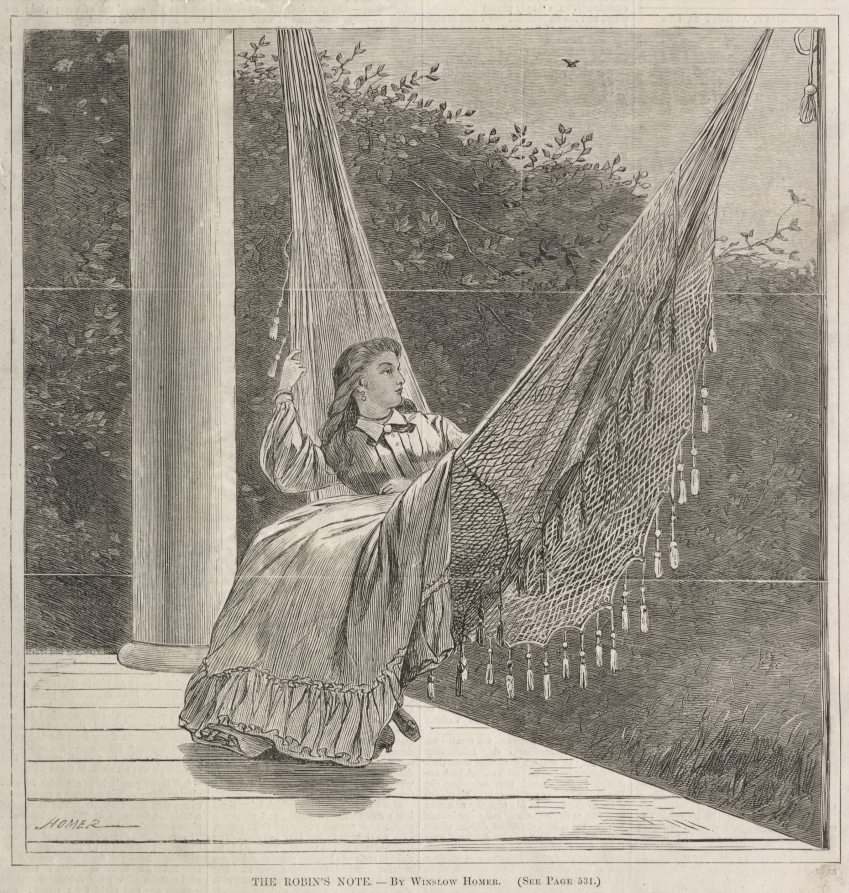
The Robin's Note (1870), Winslow Homer (1836-1910), wood engraving. Source: Cleveland Museum of Art, Purchase from the J. H. Wade Fund.The Robin's Note —La nota del petirrojo— (1870), de Winslow Homer (1836-1910). Grabado en madera. Fuente: Cleveland Museum of Art, compra con el J. H. Wade Fund.
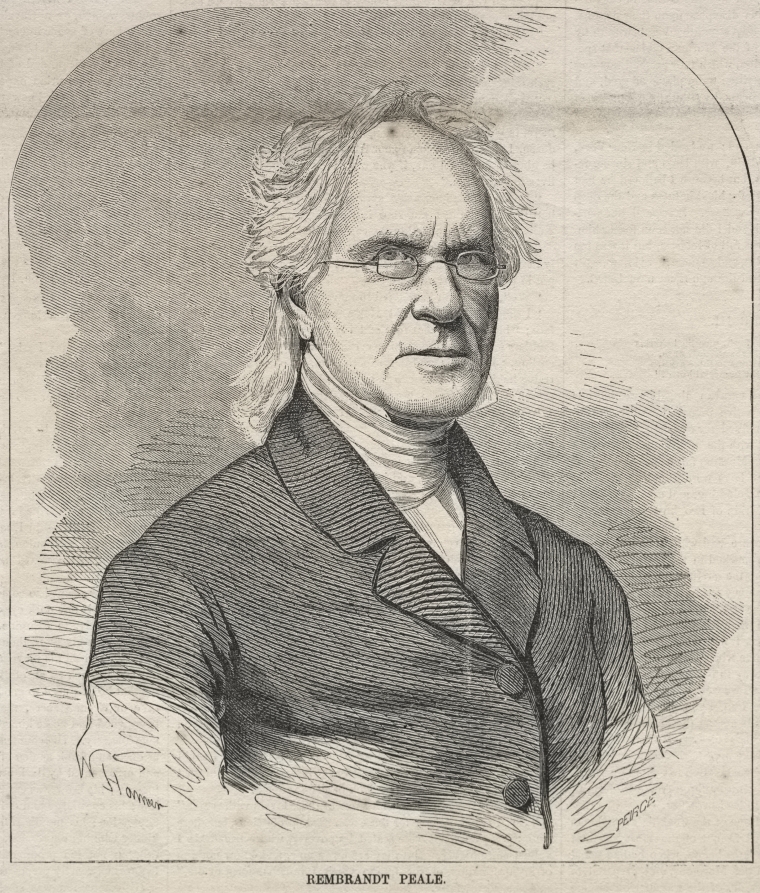
Rembrandt Peale, wood engraving by Winslow Homer (1857)Rembrandt Peale, grabado en madera de Winslow Homer (1857)
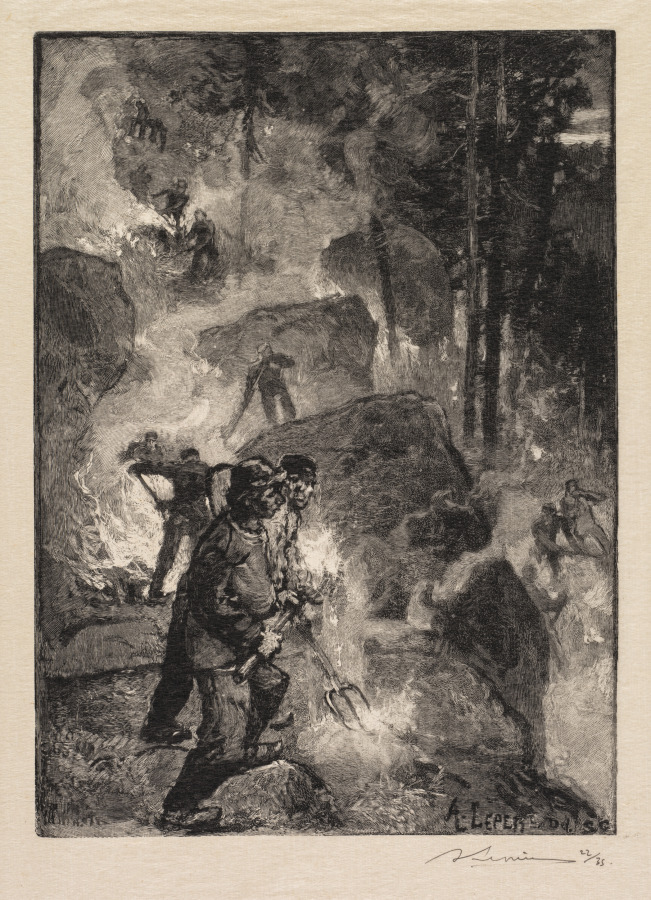
Fontainebleau Forest: Fern BurnersBosque de Fontainebleau: quemadores de helechos
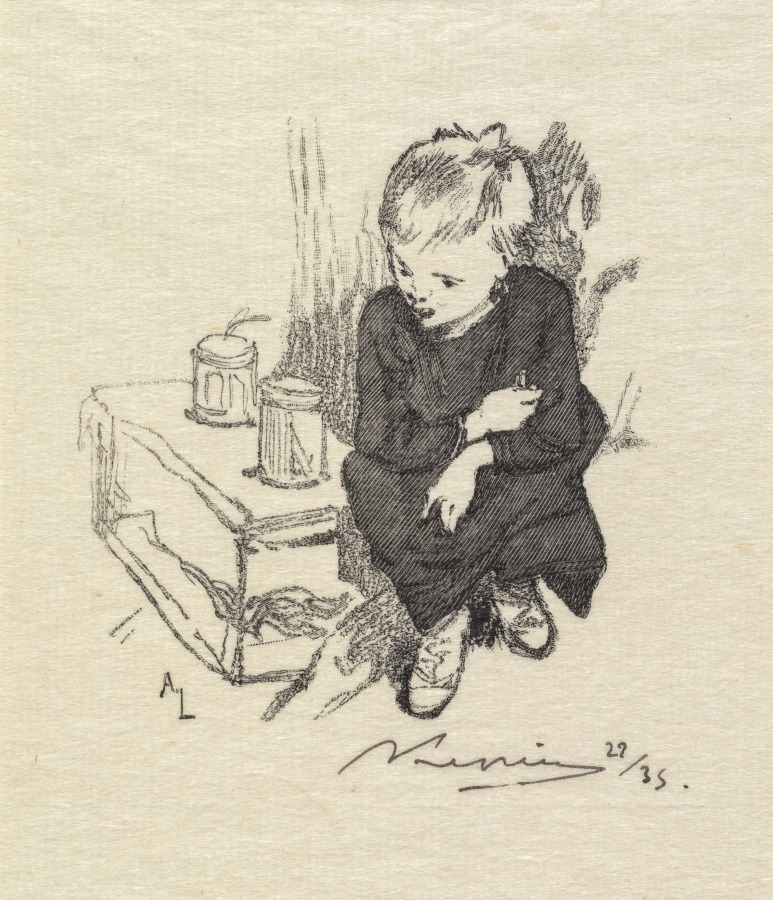
Fontainebleau Forest: The Child with the SlowwormBosque de Fontainebleau: el niño con el lución
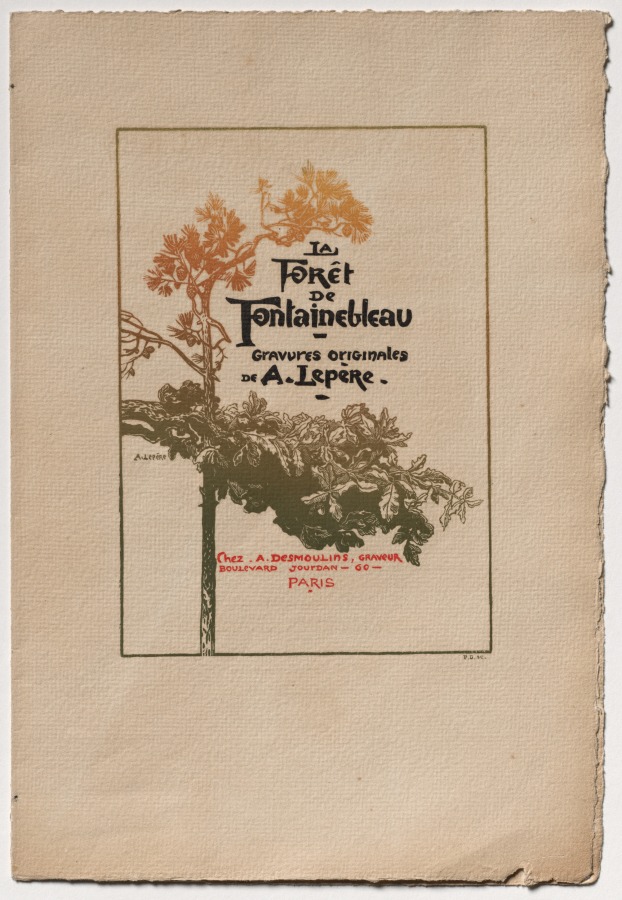
Fontainebleau Forest: Ad for "Fontainebleau Forest" (La Forêt de Fontainebleau)Bosque de Fontainebleau: anuncio de «Bosque de Fontainebleau» (La Forêt de Fontainebleau)
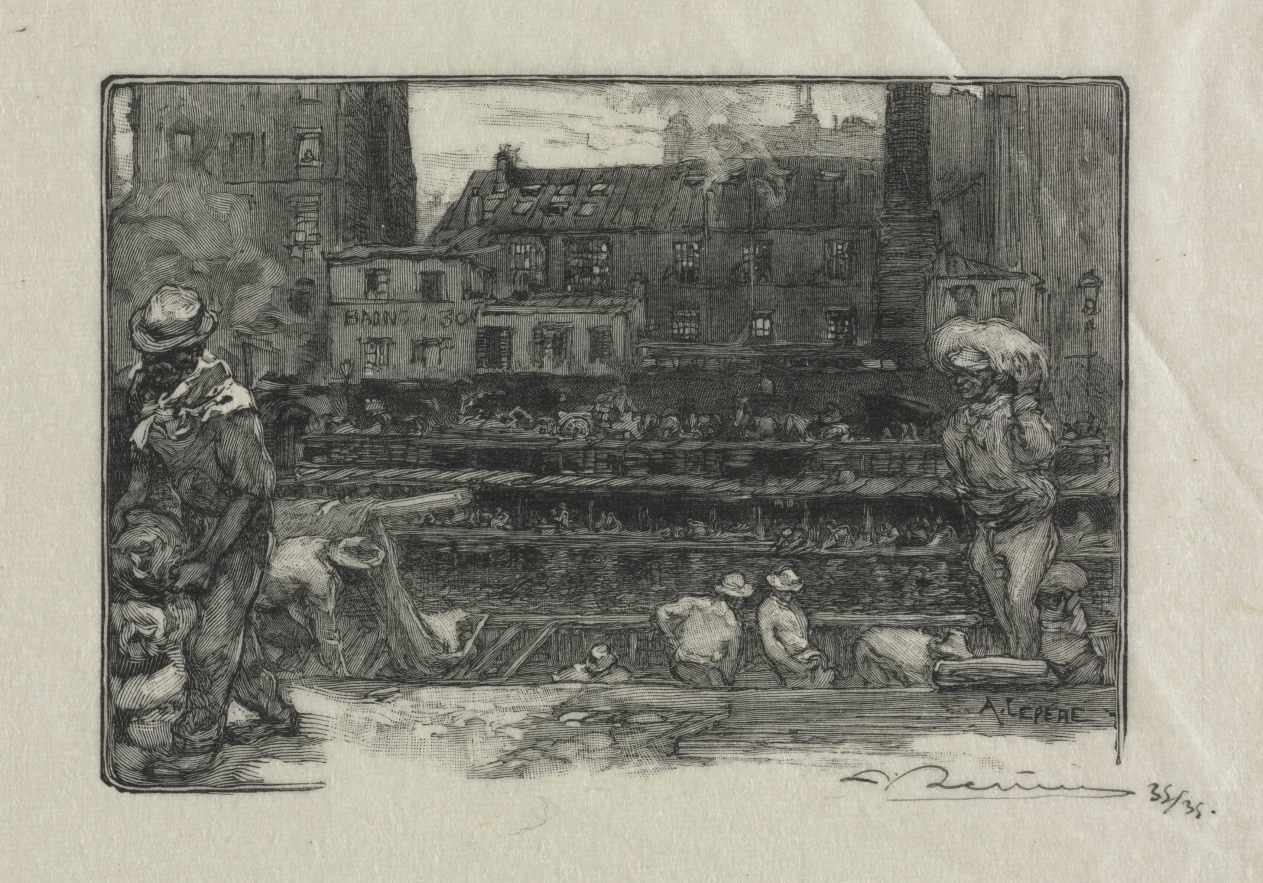
Plaster Unloaders on the Canal Saint-MartinDescargadores de yeso en el Canal Saint-Martin
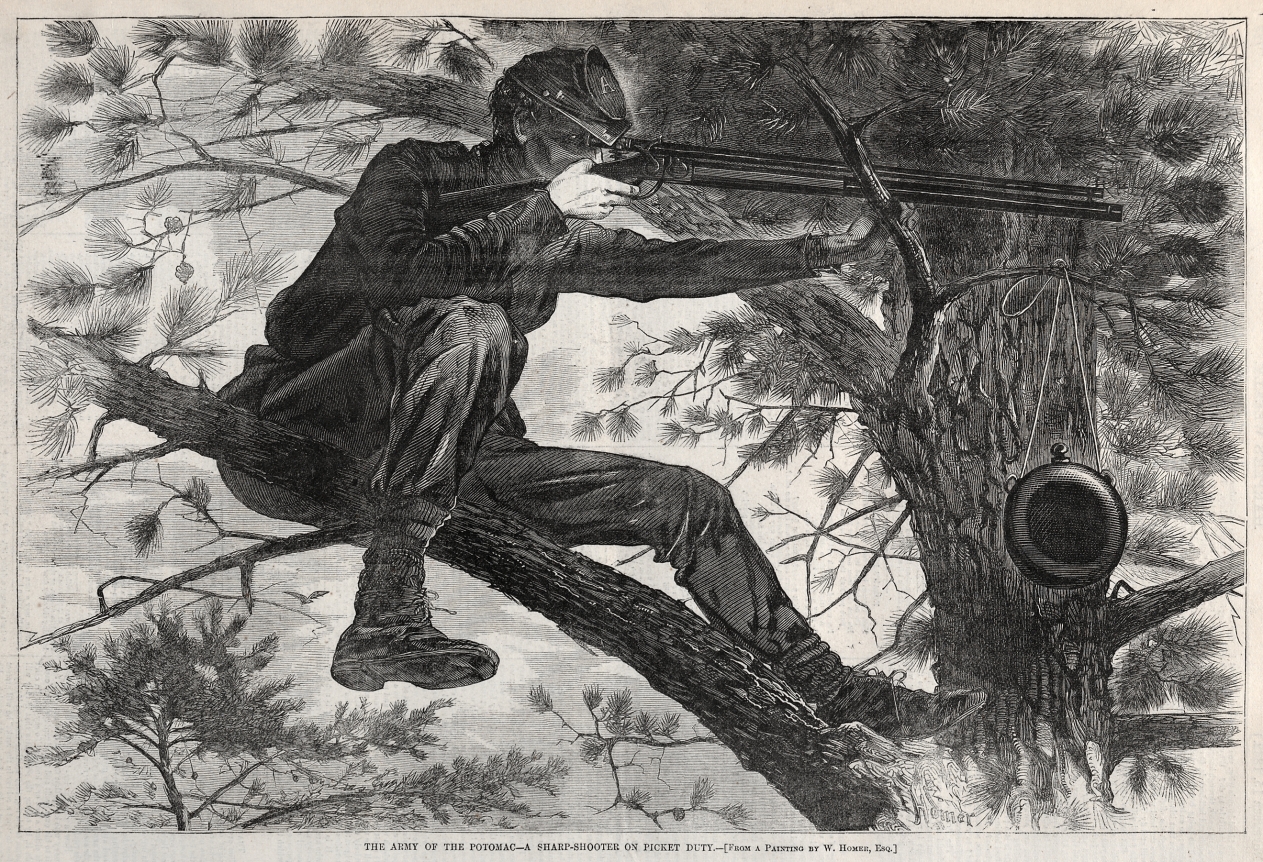
A Sharpshooter on Picket DutyUn francotirador en servicio de avanzada
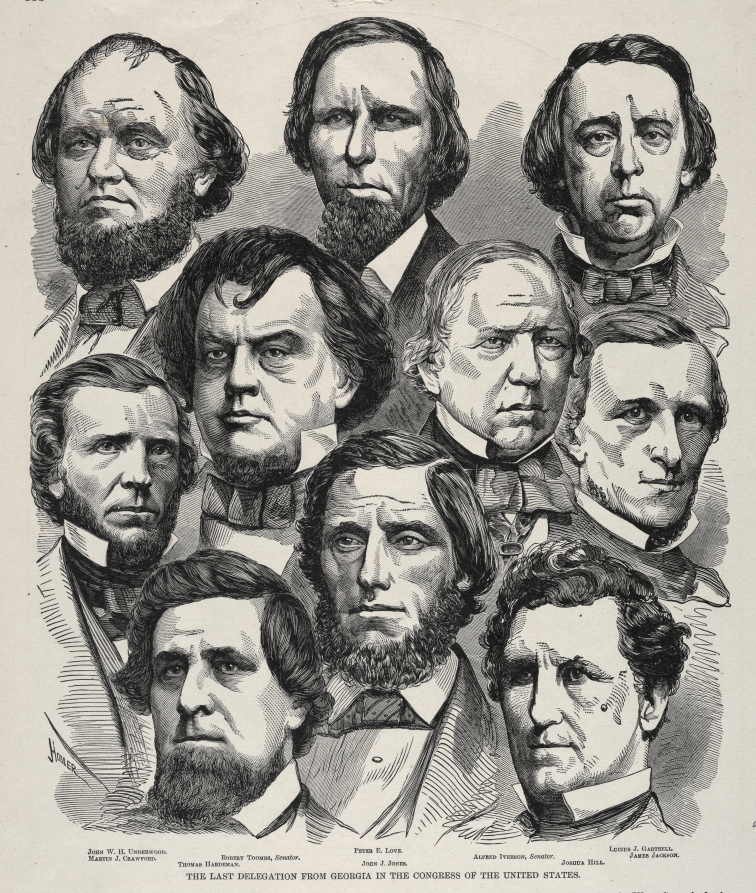
The Last Delegation from Georgia in the Congress of the United StatesLa última delegación de Georgia en el Congreso de los Estados Unidos
Written by an AI model (muse-wonder-1.0). Check the references before relying on dates or names.Lo escribió un modelo de IA (muse-wonder-1.0). Revisa las referencias antes de fiarte de fechas o nombres.